Home Window Tinting Guide
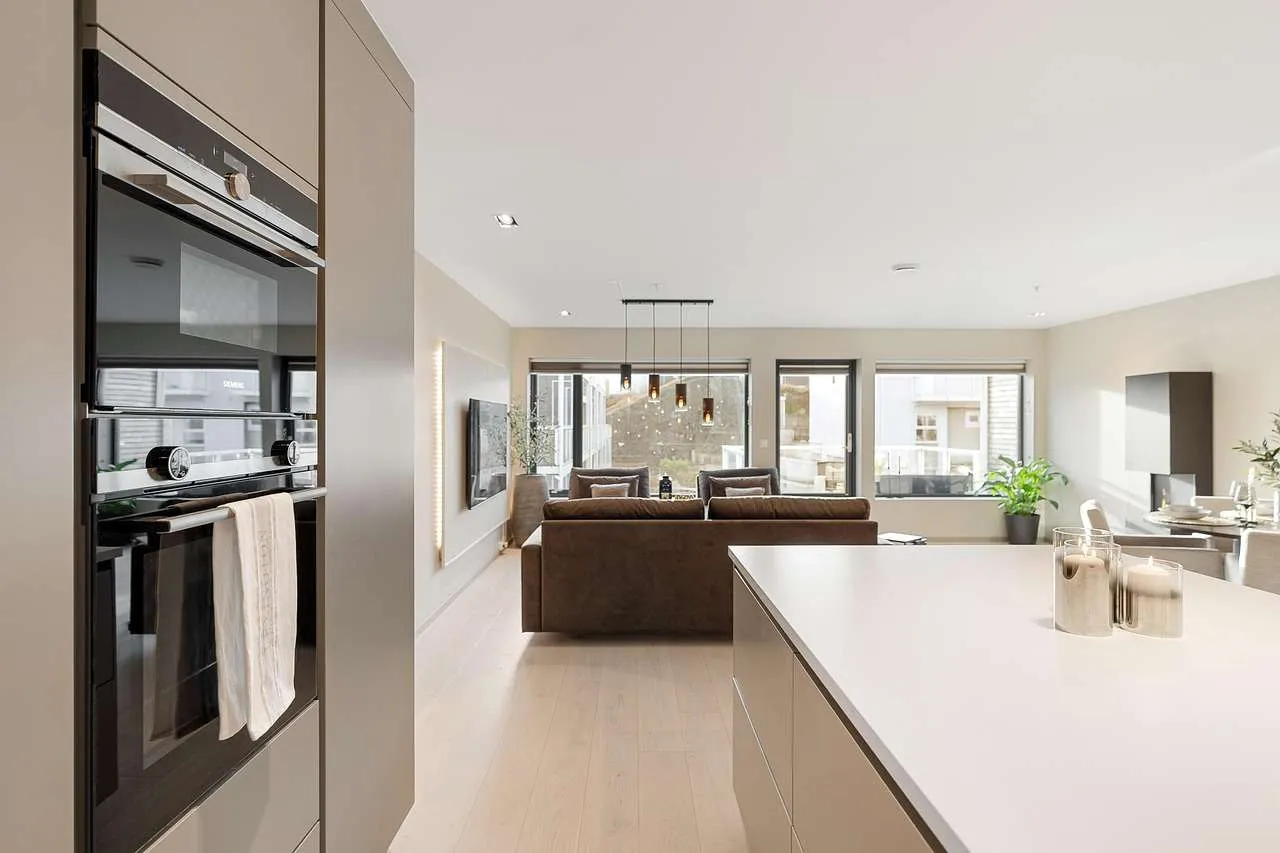
Home window tinting is a practical upgrade that improves comfort, reduces energy use, and protects interior furnishings from sun damage. When done correctly, it can transform living spaces without changing the exterior look of your home.
Understanding home window tinting
Home window tinting uses thin films applied to interior glass panes to reject heat, block UV rays, and reduce glare. Modern tint films come in a range of shades and performance levels, and professional installation ensures even coverage and long-term durability. For homeowners, it is not just about style; it is about energy efficiency, comfort, and protecting valuables.
Benefits of home window tinting
- Energy efficiency: Heat reduction lowers cooling demand and can reduce monthly energy bills.
- UV protection: Most films block up to 99% of harmful UV rays, protecting skin and fading of furniture.
- Glare reduction: Softer daylight makes living spaces more comfortable and reduces eye strain.
- Privacy and safety: Tinted films increase privacy and can help hold glass together during break-ins or storms.
- Preservation of interiors: Reduced sun exposure extends the life of flooring and fabrics.
Types of window tint for homes
Dyed window film
Dyed films are affordable and provide good color stability. They primarily block visible light, offering moderate glare reduction but can degrade over time or fade in strong sun.
Metalized film
Metalized films reflect a portion of incoming heat and deliver strong heat rejection. They can interfere with electronics and may create a mirrored appearance at certain angles.
Ceramic film
Ceramic films use non-conductive particles to deliver excellent heat and UV rejection without metal. They preserve signal quality for devices and maintain neutral appearance.
Hybrid film
Hybrid films combine dyed and metal layers to balance cost, heat control, and look. They offer solid performance with fewer drawbacks than single technology types.
What to consider before tinting
Climate, sun exposure, and room orientation should guide tint choice. Consider the glass type (single vs double pane, tempered or laminated), desired privacy levels, and whether you want a shade that is reversible for resale value. Also review local regulations on visible tint and ensure the chosen film carries a manufacturer warranty.
Choosing the right installer and product
Work with licensed, insured installers who offer manufacturer-backed warranties. Ask for samples or demonstrations and verify the film type, UV rejection ratings, and warranty terms. Reputable installers can provide before-and-after heat measurements and help you select a visible light transmission (VLT) level that meets local rules and comfort goals. Look for professionals with IWFA certification or manufacturer training to boost confidence in the installation quality.
Cost and maintenance
Home window tinting costs vary by film type, window size, and number of panes. Expect a per-square-foot price range that commonly falls between moderate and premium options depending on brand and complexity. Maintenance is simple: clean with non-ammonia window cleaners and a soft cloth. Avoid abrasive objects that can scratch films, and schedule periodic inspections to ensure tight seals and edge adhesion. Warranties typically cover film performance for 5 to 15 years, with some premium brands offering longer terms.
Comparison of common tint types
| Type | UV Rejection | Heat Rejection | Privacy | Cost | Pros and Cons |
|---|---|---|---|---|---|
| Dyed film | Good | Moderate | Low to moderate | Low | Affordable; can fade over time |
| Metalized film | Very good | Excellent | Moderate | Mid | Strong heat control; may interfere with electronics |
| Ceramic film | Excellent | Excellent | High | High | Best performance; higher cost |
| Hybrid film | Very good | Good | Moderate | Mid-High | Balanced option |
Choosing the right tint level is a balance of comfort, aesthetics, and compliance. A skilled installer will assess daylight, room function, and the home’s orientation to recommend an appropriate shade that preserves natural light while delivering performance.
Conclusion, when you select the right film and a qualified installer, home window tinting delivers lasting comfort, UV protection, and energy savings. Understand your needs for heat control, privacy, and maintenance, and verify warranties to maximize the value of your investment.